Start Here
The Complete Beginner’s Guide to Emergency Preparedness
New to prepping? This is your roadmap. Bookmark this page.
Table of Contents
Why Prep? The Real Reason
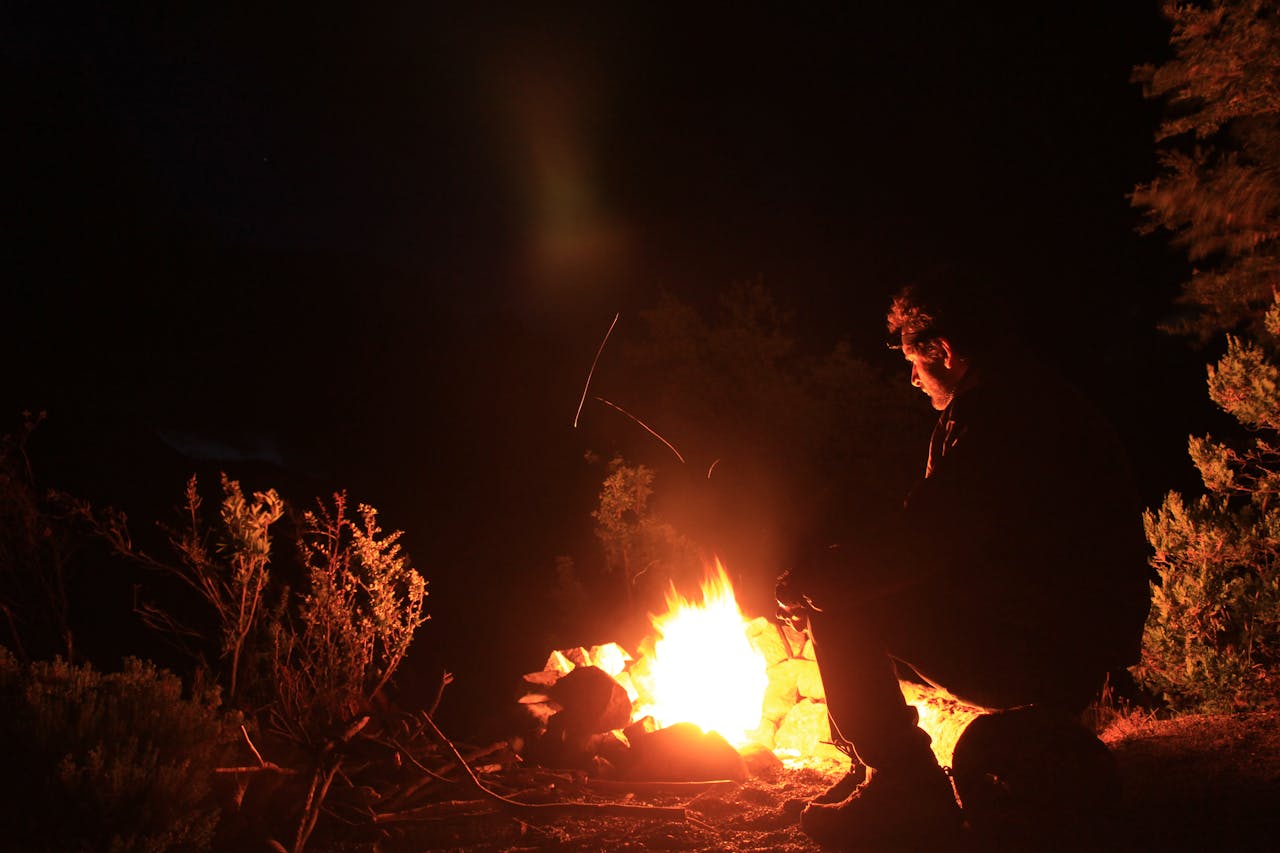
Prepping isn’t about fear of the apocalypse. It’s about not being a burden when things go wrong — and things do go wrong.
Power outages, hurricanes, ice storms, job loss, supply chain disruptions, pandemics — these aren’t doomsday fantasies. They’re Tuesday. The question isn’t if something will disrupt your normal life. It’s when, and how ready will you be?
The Prepper Mindset
- Start small, build consistently. One week of food beats zero.
- Use what you store, store what you use. Rotate your supply.
- Skills over stuff. Knowledge matters more than gear.
- Progress, not perfection. Every step forward counts.
Step 1: Build Your 72-Hour Kit
A 72-hour kit sustains you for 3 days during or after an emergency. FEMA recommends every household have one.
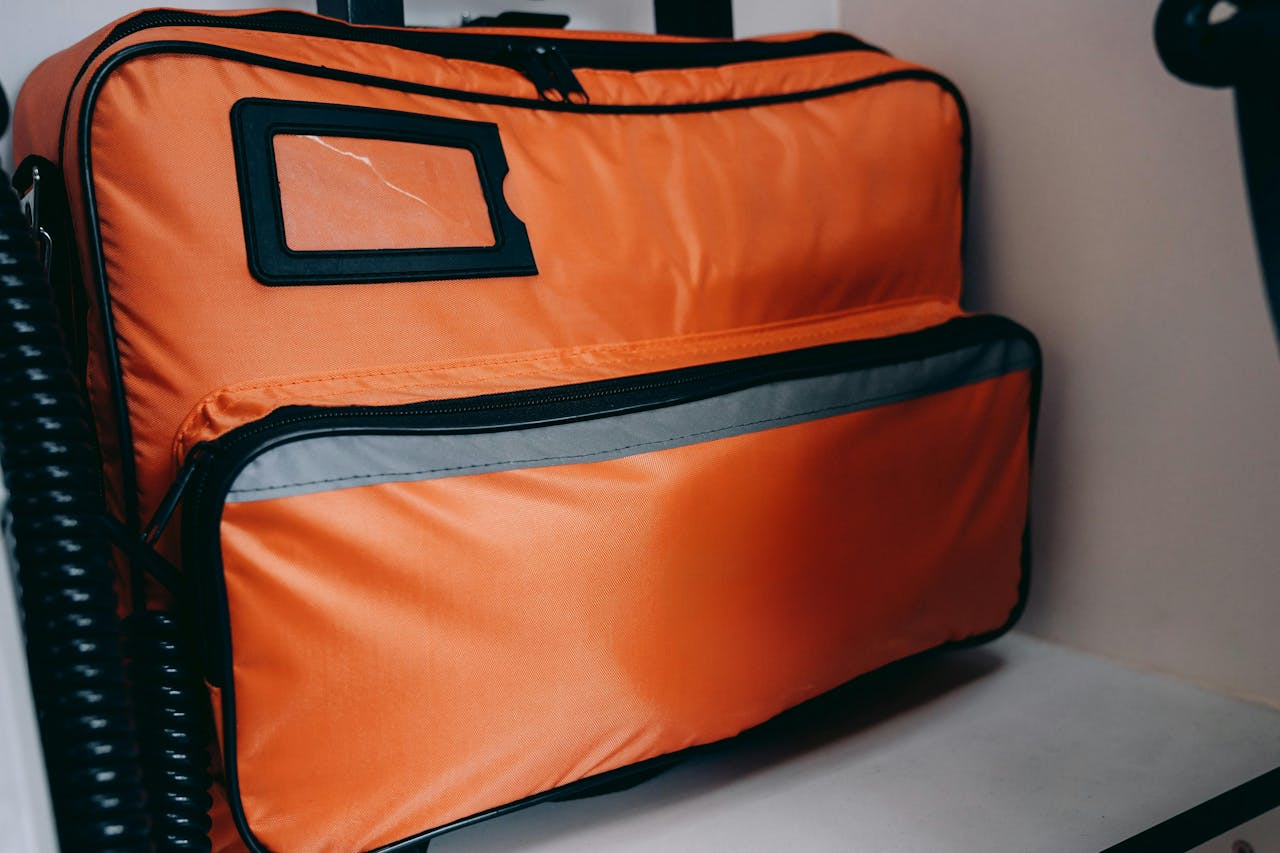
Your 72-Hour Kit Checklist:
- ✅ Water: 1 gallon per person per day (3 gallons per person)
- ✅ Food: 3-day supply of non-perishable items
- ✅ Manual can opener
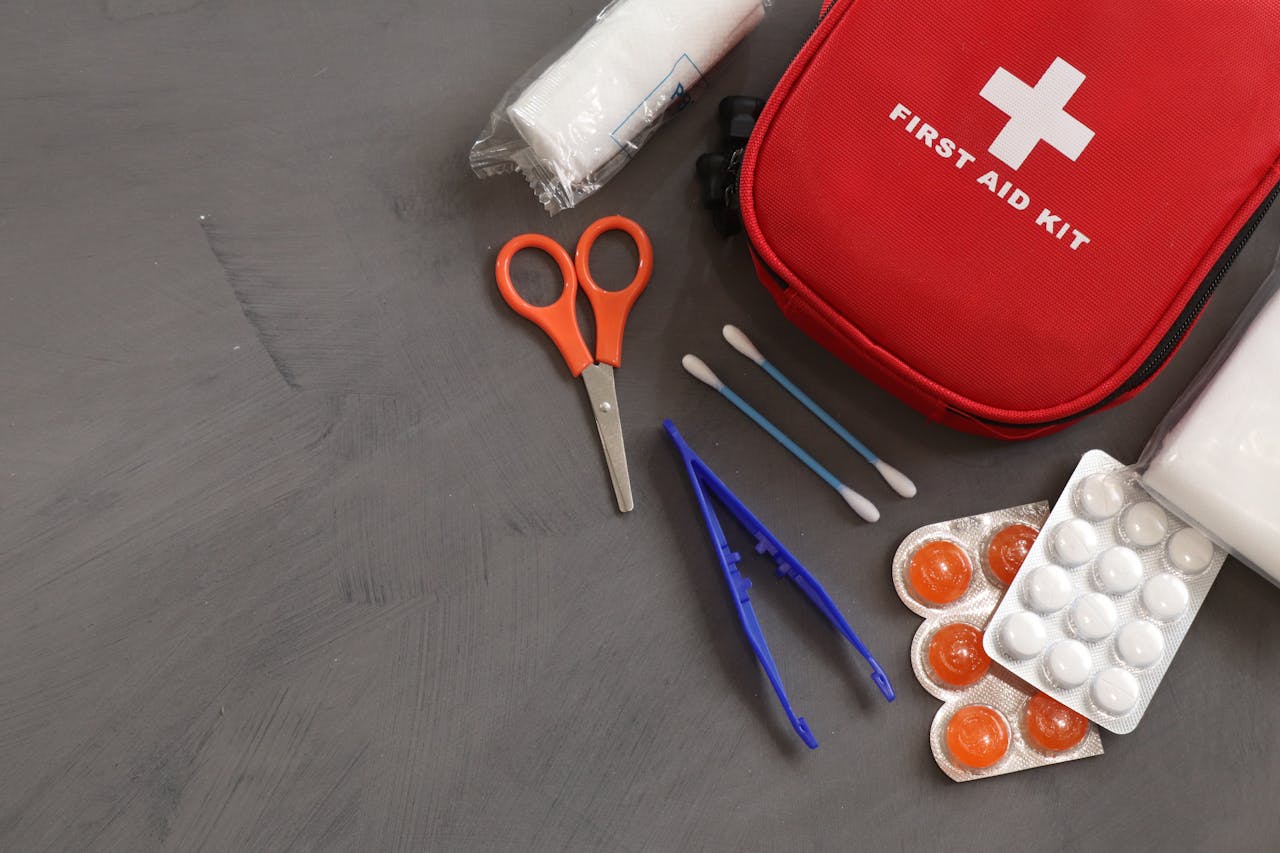
- ✅ First aid kit
- ✅ Flashlight + extra batteries
- ✅ Battery-powered or hand-crank radio
- ✅ Whistle (to signal for help)
- ✅ Dust masks (N95 minimum)
- ✅ Plastic sheeting and duct tape
- ✅ Phone charger and backup battery
- ✅ Cash in small bills
- ✅ Copies of important documents in a waterproof bag
Step 2: Water — Your #1 Priority
Store 1 gallon per person per day. For a family of 4, a 2-week supply = 56 gallons.
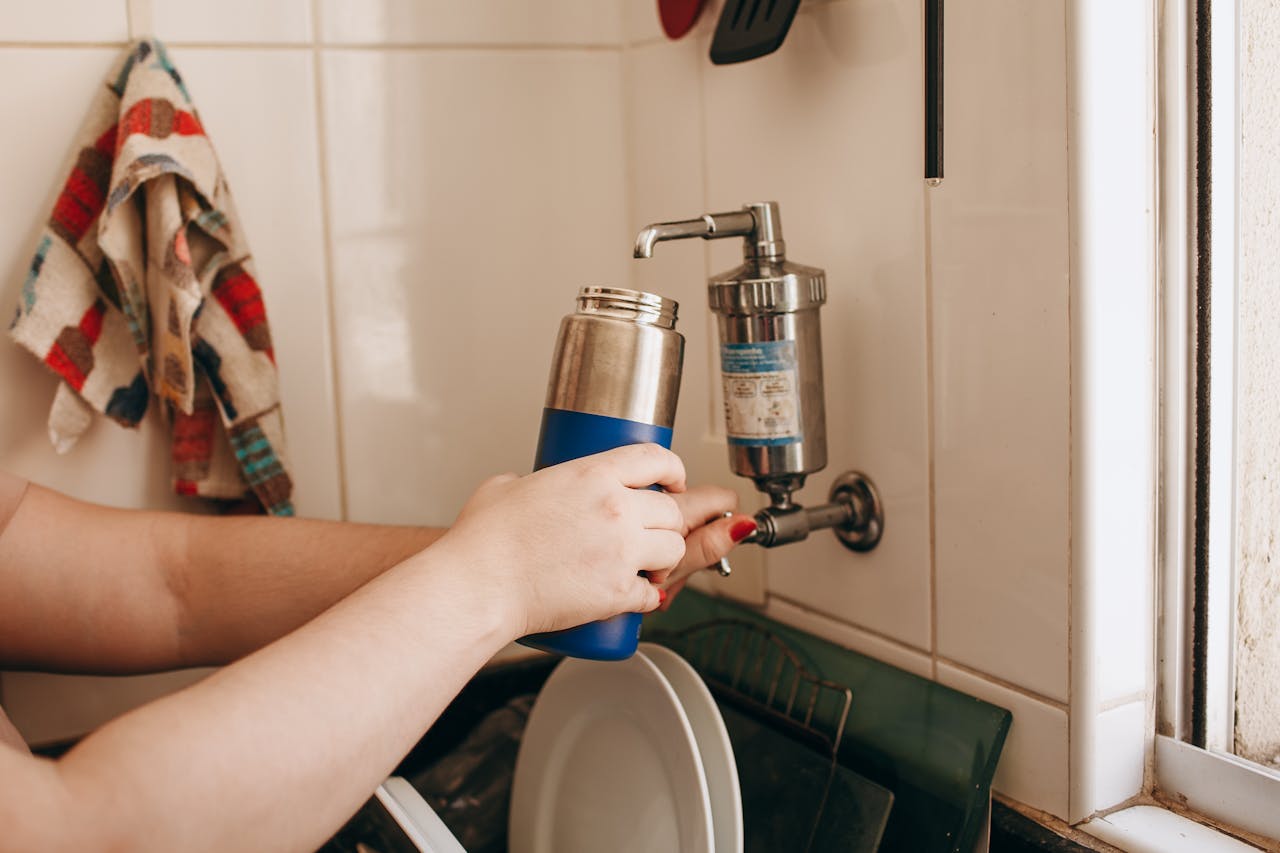
Water Storage Options:
- Store-bought water bottles — Easy to start
- 5-gallon water jugs — Cost-effective, easy to rotate
- 55-gallon water barrels — Ideal for longer-term storage
- Water filtration systems — Sawyer Squeeze, Berkey filters, LifeStraw
Step 3: Food Storage Basics
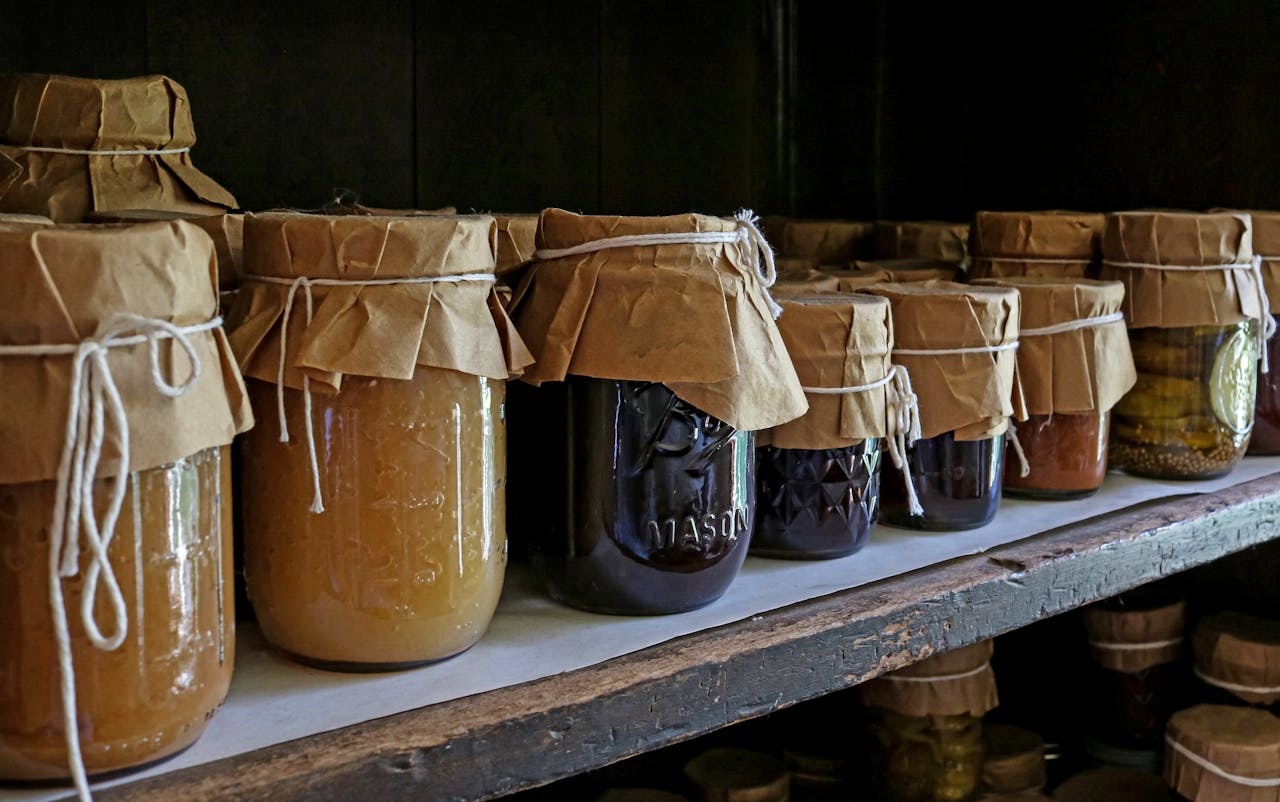
Best Long-Term Storage Foods:
- White rice (25+ year shelf life in sealed containers)
- Dried beans and lentils
- Oats and rolled grains
- Pasta (3-5 years sealed)
- Canned meats and fish
- Salt, sugar, honey (indefinite shelf life)
- Freeze-dried meals (25-year shelf life)
Step 4: Shelter and Warmth
- Keep emergency blankets (Mylar) for everyone
- Have a backup heating source with proper safety protocols
- If bugging out, have a Bug Out Location (BOL) identified
Step 5: Communication Plan
- Family meeting point: Designate two meeting spots
- Out-of-area contact: Choose a person everyone calls to check in with
- NOAA weather radio: Works when internet/cell is down
- Written contact list: Don’t rely solely on your phone
Building Your Preps on Any Budget
$25/Month Plan:
- Week 1: 5 lb rice + 5 lb dried beans + can opener + water
- Week 2: Canned fish/tuna + cooking oil
- Week 3: Flashlight + batteries + candles
- Week 4: First aid supplies
What to Do Next
- Subscribe to the YouTube channel — New content every Monday, Wednesday, and Friday.
- Check the News section — Know what’s happening that might affect your preps.
- Browse DIY Tutorials — Build the skills, not just the stockpile.
- Review the Gear guides — Make smart purchases at every price point.
Ready to Go Deeper?
Subscribe for weekly videos covering everything from food storage to DIY water filters.